NVIDIA PRO RTX 6000/5000/4000 Ada

Description
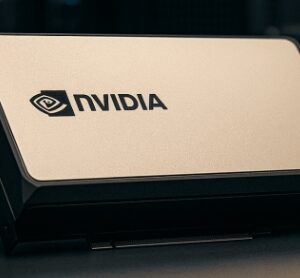
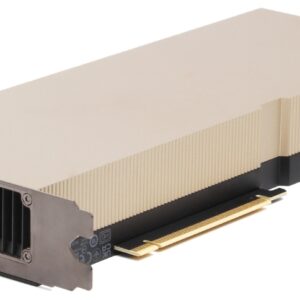
the NVIDIA RTX 6000 Ada Generation workstation GPU, designed for professional visualization, AI, and high-performance computing:
### NVIDIA RTX 6000 Ada Generation Key Specifications
* Feature * Specification
————————————————————————————————————-
* Architecture Ada Lovelace (TSMC 4N process)
* CUDA Cores 18,176
* RT Cores 3rd Generation (142 cores)
* Tensor Cores 4th Generation (568 cores, supports FP8/FP16/TF32/INT8)
* Boost Clock Speed 2.5 GHz (typical under load)
* Memory * 48GB GDDR6 ECC
* Memory Interface 384-bit
* Memory Bandwidth 960 GB/s
* Single-Precision (FP32) 91.1 TFLOPS
* RT Core Performance 209 TFLOPS (Shading + Ray Tracing)
* Tensor Performance 1,459 TFLOPS (FP8 with Sparsity)
* PCIe Interface PCIe 4.0 x16 (64 GB/s bidirectional)
* TDP 300W
* Form Factor Dual-slot, full-height, full-length (267mm x 111mm)
* Display Outputs 4x DisplayPort 1.4a (supports 4K @ 240Hz or 8K @ 60Hz with DSC)
* NVLink Support ❌ No (Unlike Quadro RTX 6000, this gen lacks NVLink)
* vGPU Support ✅ Yes (NVIDIA Virtual GPU for virtualization)
—
### Key Features & Strengths
1. Professional Visualization
– Optimized for 3D rendering (Maya, Blender, Omniverse)
– Real-time ray tracing with 3rd-gen RT Cores
– 48GB ECC memory handles massive datasets (8K textures, complex CAD models)
2. AI & Compute Acceleration
– 4th-gen Tensor Cores accelerate AI workloads (DLSS, Stable Diffusion)
– FP8 precision support (2x faster than FP16 for AI inference)
3. Media Production
– Dual NVENC (8th-gen) + NVDEC engines:
– AV1 encode/decode (40% more efficient than H.265)
– 8K HDR video editing in real-time
4. Virtualization Ready
– Supports NVIDIA vGPU for cloud/workstation virtualization
—
### Performance Comparison
* GPU * RTX 6000 Ada * RTX A6000 (Ampere) * RTX 5000 Ada
———————————————————————————-
* CUDA Cores 18,176 10,752 12,800
* Memory 48GB GDDR6 48GB GDDR6 32GB GDDR6
* FP32 Performance 91.1 TFLOPS 38.7 TFLOPS 65.3 TFLOPS
* RT Core Performance 209 TFLOPS 76 TFLOPS 128 TFLOPS
* TDP 300W 300W 250W
—
### Use Cases
– 3D Animation & Rendering: Pixar-quality ray tracing
– Product Design: Large assembly CAD workflows (SolidWorks, NX)
– AI Development: Local training of mid-sized models
– Broadcast: Live 8K video processing
– Scientific Computing: CUDA-accelerated simulations
—
### System Requirements
– Power: 750W+ PSU (1x 12-pin PCIe power connector)
– OS: Windows 11/10 Linux (RHEL, Ubuntu)
– Driver: NVIDIA RTX Enterprise or Studio Driver
—
### Why Choose This GPU?
– Best-in-class perf/Watt for professional workloads
– Future-proof with Ada’s AV1/FP8 support
– Quieter than previous-gen A6000 (improved cooler design).
Contact us for the NVIDIA PRO RTX 5000/4000 Ada
Reviews
There are no reviews yet.